
Pasta is one of the most beloved and versatile foods in the world. From the busy streets of Italy to the kitchens of families across the globe, pasta has become more than just a meal – it is a comfort food, a cultural symbol, and a culinary canvas for creativity. Whether it’s a simple plate of spaghetti tossed with olive oil and garlic or a rich lasagna layered with cheese and sauce, pasta continues to win hearts everywhere. To truly understand pasta, one must look into its history, varieties, preparation methods, cultural significance, and the emotions it evokes.
The Origins of Pasta
The history of pasta is fascinating and often debated. Many people immediately associate pasta with Italy, and rightly so, since it became an essential part of Italian cuisine. However, some historical accounts suggest that pasta-like dishes existed in ancient civilizations long before it was popularized in Italy.
In ancient China, records show that people consumed noodle-like foods made from millet over 4,000 years ago. Similarly, in the Middle East, Arabs are believed to have made dried noodle-like strands, which could be stored and carried during travel. Some historians even claim that when Marco Polo returned from his travels in China during the 13th century, he brought with him the idea of noodles, which later developed into Italian pasta.
Regardless of where it started, Italy embraced pasta wholeheartedly. By the 14th century, pasta had already become a staple food in Italian households. Its ability to be dried, stored, and cooked easily made it convenient. Over centuries, Italians perfected the art of pasta-making, giving rise to countless shapes, sizes, and recipes. Today, pasta is not just Italian – it has become global, with each region adding its own flavor and twist.
Varieties of Pasta
One of the most amazing things about pasta is its diversity. There are over 350 recognized pasta shapes in the world, each designed for a specific type of sauce or cooking method.
Long Pasta: Spaghetti, linguine, fettuccine, and vermicelli are all examples. These long, thin strands are perfect for light sauces, like tomato or olive oil-based ones, because the sauce clings to them beautifully.
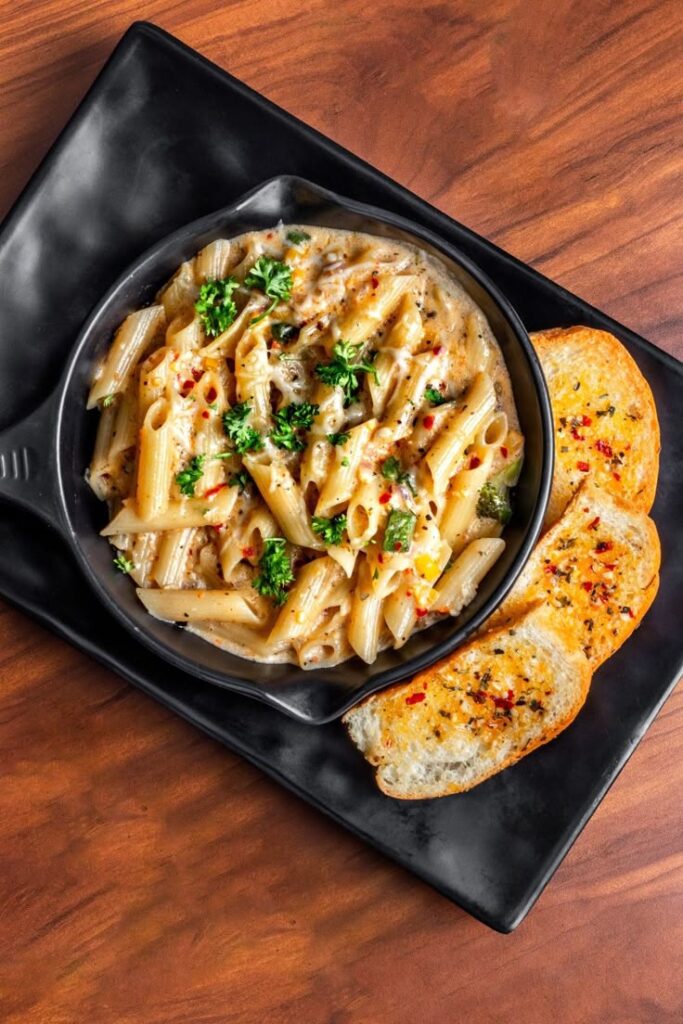
Short Pasta: Penne, rigatoni, fusilli, and farfalle fall under this category. Their hollow or twisted shapes hold thicker sauces, like creamy cheese or chunky vegetable mixes.
Stuffed Pasta: Ravioli, tortellini, and cannelloni are classic stuffed pastas. They are usually filled with cheese, meat, or vegetables and then baked or served with sauce.
Soup Pasta: Small shapes like orzo, ditalini, and stelline are often used in soups and broths, adding texture and making the dish more filling.
Specialty Pasta: There are also colored and flavored varieties, made using spinach, beetroot, squid ink, or herbs to add both flavor and visual appeal.
The beauty of pasta lies in how each shape pairs differently with sauces, creating endless combinations that satisfy every taste.
Ingredients and Preparation
At its heart, pasta is made from very simple ingredients: flour and water. Some recipes also include eggs, which give the pasta a richer flavor and texture. Traditional Italian pasta uses semolina flour, made from durum wheat, which provides the right firmness and elasticity when cooked.
Pasta has an ancient and fascinating history. While many people associate pasta with Italy, its roots stretch much further. Some historians believe that pasta originated in China, where early forms of noodles were made from millet thousands of years ago. Others argue that pasta was independently developed in the Mediterranean, especially in Ancient Greece and Rome, where sheets of dough were cut into strips and cooked.
The modern popularity of pasta truly blossomed in Italy. In the 13th century, when Marco Polo returned from his travels, pasta gained a more defined place in Italian cuisine. Over time, pasta became deeply embedded in Italian culture, evolving into hundreds of shapes, each designed for a specific purpose.
Types and Varieties of Pasta
There are over 350 known pasta shapes around the world, and each has its own story. Some famous varieties include:
Spaghetti – long, thin, round strands, perfect with tomato-based sauces.
Penne – short tubes with diagonal cuts, excellent for holding thick sauces.
Fusilli – spiral-shaped, often used in salads or creamy sauces.
Lasagna – flat, wide sheets, layered with sauce, cheese, and fillings.
Ravioli – stuffed pasta pockets, often filled with cheese, spinach, or meat.
Macaroni – small elbow-shaped tubes, used in dishes like mac & cheese.
Each shape has a purpose: for example, ridged pasta (rigate) clings better to chunky sauces, while smooth pasta pairs better with lighter, creamy sauces.
Pasta Across Cultures
Although pasta is most famously linked to Italy, it has influenced and been influenced by global cuisines:
Italy: The birthplace of pasta as we know it, with regional dishes like Tagliatelle al Ragù (from Bologna) or Orecchiette con Cime di Rapa (from Puglia).
America: Pasta became a staple with dishes like macaroni and cheese and baked ziti.
Asia: Countries like Japan, Korea, and China have their own noodle traditions, but Western pasta dishes are also widely enjoyed.
Middle East: Couscous and other pasta-like foods are common, showing pasta’s adaptability.
Preparation and Cooking Styles
Cooking pasta seems simple, but it is also an art. Italians believe in cooking pasta al dente, meaning “to the tooth,” where the pasta is tender but still firm to bite. Pasta can be boiled and mixed with sauces, baked in casseroles, stuffed with fillings, or even served cold in salads.
Sauces are key in pasta preparation. Some famous ones include:
Tomato-based sauces – like marinara, arrabbiata, or bolognese.
Cream-based sauces – like Alfredo or carbonara.
Pesto sauces – made with basil, garlic, pine nuts, olive oil, and cheese.
Nutritional Value and Health
Traditionally, pasta is made with durum wheat semolina, which gives it strength and a golden color. Pasta is high in carbohydrates, making it a great source of energy. Whole-grain pasta adds fiber, vitamins, and minerals, making it healthier.
For those with dietary needs, pasta is also available in gluten-free versions made from rice, corn, quinoa, or lentils. Protein-enriched pasta has also become popular among fitness enthusiasts.