
Pizza is one of those foods that needs no formal introduction. The very mention of the word instantly brings to mind the picture of a hot, round, golden-brown crust loaded with melted cheese, colorful toppings, and that irresistible aroma of baked bread and spices. Whether enjoyed at a fancy restaurant, a small local café, or simply ordered at home with friends and family, pizza has become a universal symbol of comfort, joy, and togetherness. From its humble beginnings in Italy to its worldwide popularity today, pizza is not just a dish; it is a global phenomenon.
The Origins of Pizza
The story of pizza begins in Naples, Italy, in the 18th century. Naples was a bustling port city with hardworking people who needed affordable, quick, and filling meals. Street vendors sold flatbreads topped with simple ingredients like tomatoes, garlic, olive oil, and herbs. These flatbreads gradually evolved into what we now recognize as pizza.
One of the most famous historical pizzas is the Pizza Margherita, created in 1889. Legend says that the Neapolitan pizzaiolo (pizza maker) Raffaele Esposito prepared a pizza in honor of Queen Margherita of Savoy. He topped it with tomatoes, mozzarella, and fresh basil to represent the colors of the Italian flag—red, white, and green. This combination became iconic and is still one of the most beloved pizzas in the world.
Over time, Italian immigrants carried pizza across the oceans, especially to the United States. In places like New York and Chicago, pizza transformed into new styles, adapting to local tastes while retaining its Italian soul. Today, pizza exists in countless variations, from traditional wood-fired Neapolitan pies to stuffed-crust American pizzas and even fusion versions in Asia topped with paneer, chicken tikka, or teriyaki sauce.
The Components of Pizza
At its heart, pizza is simple. It is built on four essential elements: the crust, the sauce, the cheese, and the toppings. Yet the beauty of pizza lies in the endless possibilities these components offer.
The Crust
The base of any pizza, the crust can be thin and crispy, thick and fluffy, or stuffed with cheese. Traditional Italian pizza usually has a thin, chewy crust baked quickly in a wood-fired oven. In contrast, American-style pizzas may have thicker crusts, deep-dish styles, or even experimental versions made with cauliflower or gluten-free flour for health-conscious eaters.
The Sauce
The sauce brings moisture, flavor, and depth. The classic is a tomato-based sauce seasoned with garlic, oregano, and olive oil. However, variations include white sauces made from cream or béchamel, pesto made from basil and pine nuts, or even barbecue sauce for a smoky twist.
The Cheese
Cheese is what gives pizza its magic. Mozzarella remains the king of pizza cheeses, known for its stretchiness and creamy taste. But other cheeses like cheddar, parmesan, provolone, ricotta, feta, or even vegan alternatives have found their way into pizza recipes.
The Toppings
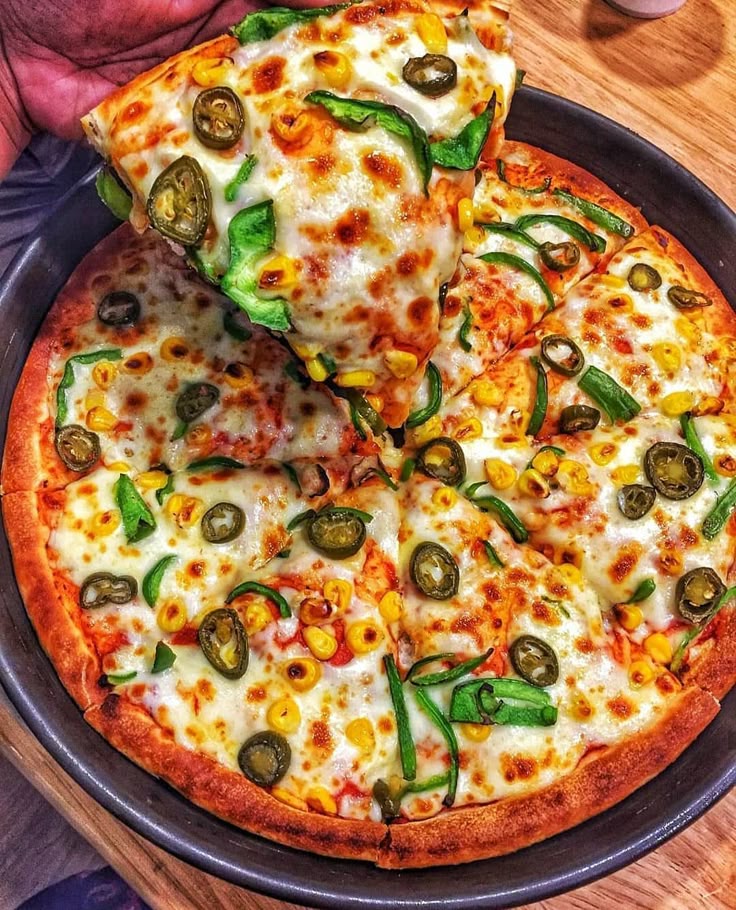
Toppings are where creativity runs wild. Classic options include pepperoni, sausage, mushrooms, onions, and bell peppers. In India, pizzas may feature paneer, corn, and spicy jalapeños. In Japan, seafood like squid and shrimp might top a pizza. Sweet dessert pizzas even exist, with toppings like Nutella, fruits, and marshmallows.
Different Styles of Pizza
Pizza has spread across the globe, and each region has given it a unique identity. Some famous styles include:
Neapolitan Pizza: The original, thin-crusted, wood-fired pizza with minimal toppings.
New York-Style Pizza: Large, foldable slices with a crisp crust and plenty of cheese.
Chicago Deep-Dish: A pie-like pizza with a thick crust, layers of cheese, and chunky tomato sauce on top.
Sicilian Pizza: A square-shaped pizza with a thick, fluffy crust.
California-Style Pizza: Known for fresh, unusual toppings like arugula, goat cheese, and avocado.
Indian Pizza: A fusion with flavors like butter chicken, paneer tikka, or spicy masala sauces.
These styles show how adaptable pizza is, able to embrace cultural flavors while staying true to its essence.
Pizza as a Social Food
One of the reasons pizza has become so popular worldwide is because it brings people together. Pizza is rarely eaten alone—it is usually ordered for parties, family dinners, movie nights, or office gatherings. Its shareable nature makes it a symbol of togetherness.
Think of the joy when a large pizza box is opened at the table, the smell of melted cheese fills the air, and everyone reaches for their favorite slice. Whether it is children celebrating birthdays, friends watching a cricket or football match, or families bonding over dinner, pizza has a magical way of creating happy moments.
Pizza in Modern Culture
Pizza has not just remained a food; it has become a part of popular culture. Phrases like “pizza night” or “pizza party” are common across the globe. It appears in movies, television shows, advertisements, and even in memes. Pizza emojis are widely used to express love for food.
In many countries, pizza delivery has become a symbol of convenience. The invention of the “30-minute delivery guarantee” by major pizza chains revolutionized how people thought about fast food. Today, online apps and delivery services make pizza just a few taps away.
Pizza has also entered the world of competitions. International contests test pizzaiolos on their dough-stretching skills, topping creativity, and baking techniques. Some chefs even experiment with luxury pizzas topped with gold leaf, truffles, or caviar, proving that pizza can range from simple street food to gourmet fine dining.
Health Aspects of Pizza
While pizza is often considered indulgent, it can also be part of a balanced diet when made thoughtfully. A thin-crust pizza with whole wheat flour, fresh vegetables, lean proteins, and moderate cheese can be nutritious and filling. On the other hand, overloaded pizzas with extra cheese, processed meats, and thick crusts are high in calories and fats.
In response to growing health awareness, many pizzerias now offer gluten-free, vegan, or low-fat versions. Cauliflower crusts, plant-based cheeses, and fresh organic toppings have made pizza accessible to almost everyone, regardless of dietary preferences.
Why People Love Pizza
Pizza’s universal popularity can be explained in several ways:
Flavor Combination – The mix of carbs (crust), fats (cheese), acidity (tomato sauce), and umami (toppings) creates a balanced and irresistible taste.
Versatility – It can be customized endlessly to suit personal preferences.
Affordability – Pizza can be made simple and cheap or luxurious and expensive.
Convenience – Easy to order, easy to eat, and easy to share.
Emotional Connection – Pizza is tied to celebrations, relaxation, and happy memories.
The Future of Pizza
As food trends evolve, pizza continues to adapt. Technology is changing how pizzas are ordered and delivered—robots, drones, and AI are being tested to make the process faster. Sustainability is also shaping the future, with eco-friendly packaging and locally sourced ingredients becoming more common.
Fusion pizzas are on the rise, combining global flavors in new ways. Imagine butter chicken pizza in India, sushi pizza in Japan, or taco pizza in Mexico. The creativity has no limits, and pizza’s journey is far from over.
Conclusion
Pizza is more than just a dish; it is a story of tradition, innovation, and global love. From the streets of Naples to the bustling cities of America, from cozy family kitchens to luxurious fine-dining restaurants, pizza has made a place in every culture. Its ability to adapt while retaining its core makes it timeless.
Every slice tells a story—of history, of flavors, of togetherness. Whether you enjoy a simple Margherita, a cheesy pepperoni, or an adventurous fusion creation, pizza always delivers comfort and joy. It is not just food; it is an experience, a celebration, and above all, a reminder that the simplest things in life often bring the greatest happiness.