
Samosa
Many people think samosa was born in India, but actually, its roots go back to the middle East and central Asia. In old times, there was a dish called “samosa” or “samosa” which looked like a small fried pie filled with meat or dry fruits. Traders and Travelers brought this dish to India many centuries ago. Slowly, Indians changed the filling from meat to potato, peas, and spices. That’s how our Favorite Indian-style samosa was born.
The samosa is one of the most loved snacks in India and many other parts of the world.it has a crispy, golden-brown outer layer and a spicy, flavour filling inside, usually made of potatoes, peas, or meat. but do you know the samosa was not originally from India? Let’s look at its interesting history.
The samosa came to India around the 13th or 14th Century through Persian traders and middle Easten cooks who worked in the Kitchens of the Delhi sultanate. Slowly, it became popular in royal courts as well as among common people. India cooks started giving it their own t5wist by filling it with local ingredients like potatoes, peas, and species instead of just meat.
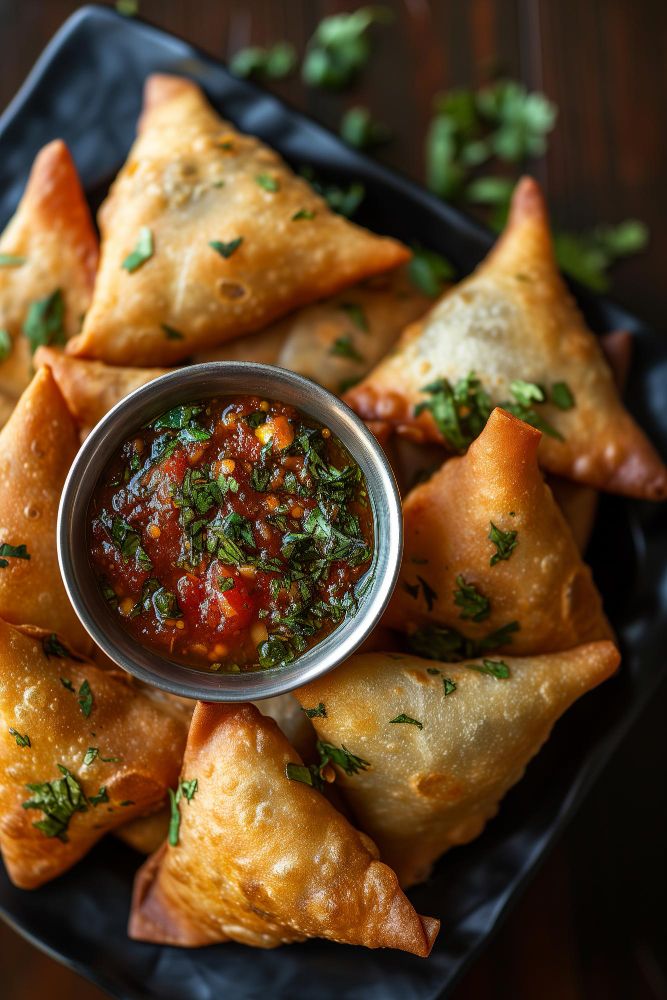
When potatoes were introduced to India by the Portuguese in the 16th century, they quickly became very popular, especially in north India. Today, most Indians think of samosa as a potato snack, through in other countries meat-filled versions are still common.
New samosa are enjoyed everywhere in India-on streets, in homes, in parties and even in five-star hotels. They come in many varieties: Aloo samosa, panner samosa, keema samosa, noodle samosa, even chocolate samosa.
1.Taste-The mix of crispy outer layer and spicy filling makes it unique.
2.Easy and find- you can buy it at small tea stalls, bakeries, and hotels.
3. Affordable- Even a student can buy it with little pocket money.
4. variety-Different states have their own version, like Panjabi samosa, Gujrati samosa, or even sweet samosa.
5.Perfect with tea- Indians love chai-samosa combination in the evening.
-Prepare the dough
1. In a bowl, mix Maida, salt, Ajwain, and oil/ghee.
2. Rub well so the flour feels slightly coarse.
3.Add water little by little and knead into a staff dough.
4.cover with a dump cloth and rest for 30 minutes.
-Make the filling
1.Heat oil in a pan. add cumin seeds.
2.Add green chili, ginger, peas, And saute for 2-3 minitues.
3.Add all the spices-turmenic, coriander, chili, Garam masala, and salt.
4. Add boiled mashed potatoes and mix well.
5.Finish with amchur powder/lemon juice and chopped coriander.
6. Let the filling cool.
-Shape the samosas.
1. dough into equal portions and roll into balls.
2. Roll each ball into an oval shape.
3. cut it into half.
4. Take one half, fold into a cone, sealing the edge with a little water.
5. stuff with potato filling, then seal the top properly.
-Fry the samosas.
1. Heat oil medium-low flame.
2. Fry samosas slowly on medium heat until golden brown and crisp.
3.Remove on paper towel.
-variations of samosa
One reason for the samosa’s lasting popularity is its ability to adapt. Across india and the world, samosas has taken many forms:
Aloo samosa: The classic version with spicy potato filling.
Paneer samosa: filled with cottage cheese and spices, a Favorite among vegetarians.
Dal samosa: stuffed with spiced lentils, popular in some north Indian states.
Sweet samosa: filled with khoya, coconut, or dry fruits, made during festivals.
Mini cocktail samosas: bite-sized samosas saved at parties.
Fusion samosas: Nowadays, you can even find pasta samosas, pizza samosas, and even chocolate samosas.
Samosas is not just food- it has cultural importance too. In india, no festival, celebration, or gathering feels complete without a plate of hot samosas. During Ramadan, samosas is a staple dish for iftar. In weddings, office meetings, or school canteens, samosas have become a common yet special snack.
For many of us, samosas is not just a snack but a memory. School day often included a treat of samosas from the canteen. Collage students relied on chai-samosas during tea- time becomes a bonding moment.
For Indian living abroad, samosa often reminds them of home. Eating a hot samosa in a foreign land can bring back memories of family, festivals, and the streets of india.